

Content
Many people have financial concerns, such as a lack of health insurance coverage or the money to pay for treatment. They believe that alcohol detox at home will be cheaper than in a medically monitored facility. As the central nervous system returns to normal functioning, severe side effects will likely wane.
- While the most painful symptoms typically subside within the first week, some mild symptoms can last for several weeks to a year.
- Symptoms of DT include confusion, changes in blood pressure, excessive sweating, fever, hallucinations, and seizures.
- Benzodiazepines, drugs that help reduce anxiety and are often prescribed for detoxing, can be habit-forming for people who drink too much.
If you’ve been unable to quit on your own, you should consider attending an alcohol rehab center. It teaches you healthy ways to cope with stress and techniques for overcoming the underlying causes of alcohol addiction. This is because your medical history, drinking habits, biology, and physical and mental health affect the withdrawal process. Withdrawal symptoms can range from minor symptoms to severe symptoms, and they can be physical and mental. Medical detox programs use medications to minimize the side effects and intensity of drug withdrawal.
DETOXIFICATION FROM ALCOHOL: A COMPARISON OF HOME DETOXIFICATION AND HOSPITAL-BASED DAY PATIENT CARE
Without treatment, delirium tremens has a fatality rate of over one-third. Because there is more than a one-in-three chance of dying from delirium tremens without treatment, anyone who may experience this condition should never detox from alcohol at home. Inpatient alcohol detox can range from $1500 to http://last24.info/read/2008/02/01/1/126 $3500, but it is often covered by insurance and government-funded resources. Most people don’t have to pay the full cost because there are various resources available to help reduce expenses. Many individuals discover that enrolling in an inpatient detox program involves little to no personal cost.
- Research shows that properly performed acupuncture can help you control your alcohol withdrawal symptoms.
- Patients typically have had histories of problem-free withdrawal, low levels of physical dependence and a carer willing to assist in detoxification.
- During this stage, a person continues to work on their recovery and maintain their sobriety.
- Knowing what helps with alcohol withdrawal can make the experience less uncomfortable and risky.
But there are some vitamins and minerals you can take that are often beneficial and help remove toxins. Some of these include B vitamins, multivitamins, vitamin C, vitamin E, and calcium. When you stop drinking alcohol suddenly, the body reacts with a series of withdrawal symptoms. These symptoms are painful, difficult to manage, and may last for weeks.
What is An Alcohol Home Detox?
Detox involves removing alcohol and its harmful traces from your body, paving the way for effective addiction treatment and a sober life ahead. Alcohol addiction, or alcoholism, can significantly impact your life and affect your physical health, relationships, and work. Tulip Hill Recovery provides a alcohol detox at home so you’re the most comfortable. According to the National Institute on Alcoholism and Alcohol Abuse, almost fifteen million people had an alcohol use disorder in 2019.
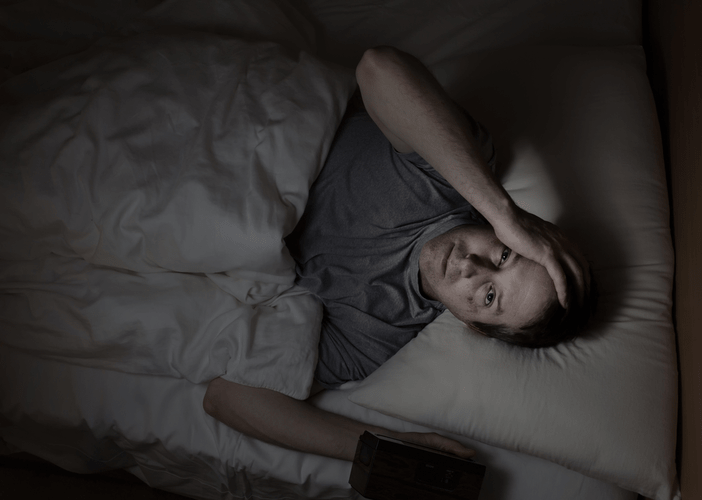
If you begin to experience serious withdrawal symptoms, drink enough to make the symptoms subside. The purpose of tapering off alcohol is to avoid major withdrawal symptoms so you can achieve sobriety safely. The time it takes to taper will depend on how long you’ve been drinking, how much you’ve been drinking and a variety of personal factors. Delirium tremens is a crucial risk that individuals should watch out for carefully. It is a life-threatening condition and is a severe form of alcohol withdrawal for an individual. As this worsens, relapse may come into play—especially if a patient has weak emotional support from their loved ones or family members.
What Are the Stages of Alcoholism Recovery?
Patients were breathalysed daily and persistent failure to remain abstinent resulted in the termination of treatment. Support for patients and carers was considered very important and treatment planning was discussed at various points during detoxification. Tulip Hill is a family-owned rehabilitation center near in Murfreesboro, TN with first-hand experience in addiction recovery.
It may be dangerous to detox from drugs or alcohol at home, depending on the substance of abuse and the withdrawal symptom risks. Completing detox from drugs and alcohol at home is only a viable option for substances that don’t produce particularly dangerous withdrawal symptoms. While detoxifying from alcohol at home may be effective for some people, you should still consult the opinion of medical professionals when detoxifying alone. That way, other facets of addiction treatment, such as relapse prevention, may also be considered along the way. Quitting alcohol has numerous health benefits, and in some cases, it is a life-saving decision. The first stage in the recovery process is usually alcohol detoxification or detox.
You may think if you detox at home, you’ll feel more comfortable than if you’re in an unfamiliar environment. The truth is, many people have an inaccurate idea of what medical detox is like. You won’t be left alone in a stark, hospital-like room to tough it out. Actually, https://prostomac.com/2010/09/puzzle-dimension-delo-vovse-ne-v-podsolnuxax/ many detox programs take place in home-like environments with comfortable furnishings and amenities. You’re free to hang out in common spaces as much as you feel like it, and medical staff continually check your comfort level and attend to discomfort or emergencies.
How do I stop drinking every night?
- Make a plan. Before you start drinking, set a limit on how much you're going to drink.
- Set a budget. Only take a fixed amount of money to spend on alcohol.
- Let them know.
- Take it a day at a time.
- Make it a smaller one.
- Have a lower-strength drink.
- Stay hydrated.
- Take a break.